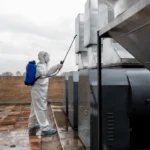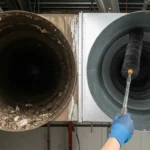

Air duct cleaning is very important for maintaining a healthy and efficient indoor environment. Dust, dirt, mold, and allergens accumulate over time, reducing air quality and making HVAC systems work harder. Choosing the right type of air duct cleaning ensures your home or office stays clean, safe, and energy-efficient. In this guide, we will explore the types of air duct cleaning in DMV and help you determine which one works best for your space.
Signs Your Air Ducts Need Cleaning
You may not notice dirt inside your air ducts until it affects your indoor air. Here are common signs:
- Dust accumulation: Dust settles faster than usual on surfaces.
- Allergy flare-ups: Family members or employees develop frequent sneezing, coughing, or eye irritation.
- Mold growth: You see mold or musty smells near vents.
- Poor airflow: Some rooms feel hotter or colder than others.
- Excessive energy bills: Your HVAC system struggles, consuming more electricity.
If you notice any of these signs, it’s time to consider professional air duct cleaning.
Types of Air Duct Cleaning Methods
Air duct cleaning is not one-size-fits-all. Professionals use different methods based on the type of system and level of contamination. Here are the most common types:
Vacuum-Based Cleaning
This method uses powerful vacuums to remove dust and debris from ducts. Technicians attach hoses to the duct openings and suck out particles.
Pros:
- Removes loose dust efficiently
- Cost-effective for routine cleaning
- Safe for most HVAC systems
Cons:
- May not remove stubborn mold or sticky residue
- Requires skilled professionals to avoid damaging ducts
Vacuum-based cleaning works well for homes or offices with moderate dust accumulation and minimal mold.
Air Sweep or Air Whip Cleaning
Air sweep cleaning uses compressed air to dislodge dust and debris, which vacuums then remove. The technician inserts a flexible rod with a brush or air whip into the ducts.
Pros:
- Reaches tight bends and corners
- Breaks up stubborn dust deposits
- Improves airflow in complex duct systems
Cons:
- May spread dust if not done correctly
- Requires proper vacuum connection
Air sweep cleaning suits offices with long, intricate duct systems and homes with heavy dust buildup.
Also read: NADCA Standards for Air Duct Cleaning in DMV
Rotary Brush Cleaning
Rotary brushes attach to a motorized rod that spins inside the duct, scrubbing away dust, debris, and light mold. The debris falls into a vacuum system for removal.
Pros:
- Excellent for deep cleaning
- Removes caked-on dust
- Works for both metal and flexible ducts
Cons:
- Can damage fragile ducts if used aggressively
- Requires trained technicians
This method works best for older offices or homes with neglected HVAC systems. It restores airflow and removes debris thoroughly.
Chemical Biocide or Mold Treatment
Some systems have mold growth or bacterial contamination. Professionals apply EPA-approved chemical biocides to kill mold, mildew, and germs.
Pros:
- Prevents future mold growth
- Reduces harmful bacteria
- Effective in damp climates
Cons:
- Must use approved products safely
- Not necessary for every home
Biocide treatment works well in offices with high humidity or homes where mold has already developed. It complements other cleaning methods but does not replace mechanical cleaning.
Foam or Media Cleaning
Foam cleaning uses a foaming agent that sticks to ducts and loosens dust and debris. Afterward, the foam and debris are vacuumed out. Media cleaning uses specially designed filters or pads to trap particles.
Pros:
- Penetrates hard-to-reach areas
- Reduces dust and allergens significantly
- Provides temporary antimicrobial protection
Cons:
- Slightly higher cost
- Less common for residential use
This method suits commercial offices with high airflow systems or homes with significant allergen concerns.
Comparing Air Duct Cleaning in DMV for Homes vs. Offices
Homes and offices differ in size, usage, and airflow patterns. Therefore, the cleaning method depends on your space:
|
Factor |
Homes | Offices |
|
Airflow |
Smaller ducts, less complex | Larger, more complex ducts |
|
Dust level |
Moderate | Higher due to more people and activity |
| Allergens | Family members, pets |
Employees, dust from paper and electronics |
| Cleaning frequency | Every 3-5 years |
Every 1-2 years for high-traffic areas |
| Preferred methods | Vacuum, air sweep |
Rotary brush, foam, or air sweep |
By analyzing these factors, you can select a cleaning method that maximizes efficiency and air quality.
Steps for Effective Air Duct Cleaning
Even the best method fails if technicians skip steps. Follow these steps for optimal results:
- Inspection: Examine ducts for dirt, mold, and damage.
- System protection: Cover vents and HVAC equipment to prevent debris spread.
- Mechanical cleaning: Use vacuum, brush, or air whip to remove contaminants.
- Optional chemical treatment: Apply biocides if mold or bacteria are present.
- Final check: Ensure ducts are clear, airflow is restored, and vents are sealed.
Homes benefit from basic vacuum or air sweep cleaning. Offices with large systems may need rotary brush cleaning combined with chemical treatment.
DIY vs Professional Cleaning
Some homeowners try DIY duct cleaning using vacuum attachments or brushes. While this may remove surface dust, it often fails to clean deep inside ducts.
Why professional cleaning works better:
- Experts have specialized tools and high-powered vacuums
- Technicians reach deep corners and bends
- Professionals prevent duct damage
- They inspect and treat mold or bacteria if necessary
For offices, DIY cleaning is rarely effective due to complex duct networks. Hiring certified professionals ensures safety and thorough results.
Benefits of Regular Air Duct Cleaning
Regular cleaning improves health, efficiency, and comfort in homes and offices. Benefits include:
- Better air quality: Reduces allergens, dust, and mold spores
- Lower energy bills: HVAC systems work efficiently
- Extended HVAC lifespan: Prevents dust from clogging equipment
- Reduced odors: Eliminates musty or chemical smells
- Improved comfort: Even airflow across rooms
Regular cleaning schedules depend on space usage, occupancy, and dust levels. Homes may need cleaning every 3-5 years, while offices may require it every 1-2 years.
Read More:
Tips for Choosing the Right Air Duct Cleaning Service
Selecting the right service provider ensures you get effective results. Keep these tips in mind:
- Check credentials: Choose certified and insured companies.
- Ask about methods: Make sure they use methods suitable for your home or office.
- Request references: Look for past client reviews and feedback.
- Compare costs: Avoid extremely low prices; quality matters more than cost.
- Confirm cleanup: Ensure the service includes proper vacuuming and disposal of debris.
A reliable company protects your HVAC system and delivers cleaner, healthier air.
What’s The Right Type of Air Duct Cleaning for Your Home or Office?
Choosing the right type of air duct cleaning depends on your space, dust levels, and air quality needs. Vacuum-based cleaning works well for small homes, while rotary brush and air sweep methods suit offices with complex systems. Mold treatment and foam cleaning provide extra protection in high-risk areas. Always hire professional technicians to ensure safety and thorough results. Regular maintenance not only improves indoor air but also saves energy, reduces health risks, and extends the life of your HVAC system.
Need help with air duct cleaning in DMV? Contact Delta Clean Air DMV. Whether you need commercial or residential air duct cleaning service, you can rely on our professionals. They have the skills to clean any type of ductwork. Call us today and get a free quote.