
A lot of property managers and homeowners across the DMV area hear the term “air duct disinfection” and pause, because it sounds similar to plain duct cleaning but costs a little more. Is it the same thing? Is it a separate add-on? And the bigger question, do you actually need it on top of a regular vacuum-and-brush job? This guide walks through what an air duct disinfection service covers, what it does inside the ducts, and when it makes sense to book one for a commercial building, a restaurant, an office, or a home.
What is Air Duct Disinfection?
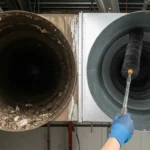
A clean duct is not the same as a disinfected duct. Standard duct cleaning uses a brush, an air whip, and a high-power vacuum to pull out visible dust, hair, lint, and debris. That is a mechanical job. Disinfection comes after the cleaning is done. The technician sprays or fogs an EPA-registered antimicrobial product through the cleaned duct system to kill bacteria, viruses, mold spores, mildew, and biofilm that the vacuum cannot pull out.
So when you book an air duct disinfection service, the team is not just clearing the stuff you can see. They are also taking out the microscopic stuff that grows on damp metal walls and slips through the air every time the HVAC kicks on.
The U.S. Environmental Protection Agency explains that mold growth, vermin droppings, and visible debris are the three top reasons to clean ducts, and an antimicrobial treatment is a follow-up step when biological contamination is found. That separation is the heart of the difference. Cleaning is for dust. Disinfection is for germs.
Read More:
What Air Duct Disinfection Does Inside the System
Inside the ductwork, a proper disinfection job does five clear things.
Kills Active Mold and Mold Spores
DMV summers bring high humidity, and condensation builds inside cold ducts. Mold can take hold in two to three days when the moisture stays. Disinfection sprays neutralize mold colonies and the spores around them.
Removes Bacteria and Viruses on Duct Walls
Damp duct walls hold bacteria in a thin slime layer called biofilm. The fog or spray used in an air duct disinfection service breaks down this layer and kills the bacteria on contact.
Remove Odor at the Source
Old smoke smell from a kitchen fire, urine smell from rodents, pet odor in homes, and the stale “office smell” in shared workspaces all come from organic matter on the duct walls. Disinfection wipes out the source of the odor rather than masking it with a spray scent.
Breaks Down Biofilm
Biofilm is what bacteria use to stay glued to metal. Plain vacuuming leaves biofilm behind, and bacteria grow back within weeks. Antimicrobial fog penetrates the layer and clears it for months.
Lowers the Allergen Load in the Air
Dust mite waste, pet dander breakdown products, and pollen fragments all stick to damp duct walls. After a disinfection pass, the count of these particles in the moving air drops, which helps people with asthma, allergies, and other lung issues.
Do You Need an Air Duct Disinfection Service?
This is the part most property owners want a straight answer to. Disinfection is not always required. It is required in some clear cases.
You Need It If Any of These Apply
- The building had a recent water leak, flood, or roof leak that touched the HVAC system
- A musty smell comes out of the vents when the system starts up
- Staff, tenants, or family members are getting sick more often than usual
- The previous occupants smoked, kept many pets, or left food residue in the kitchen
- The property was vacant for six months or longer
- A rodent or bird problem reached the duct system
- A medical office, daycare, or food service business must meet stricter indoor air rules
- You can see mold growth around vents, registers, or the air handler
You Probably Do Not Need It If
- The standard duct cleaning report shows no mold or biological growth
- Indoor humidity stays between 30 and 50 percent year-round
- The building is new, well-sealed, and used by healthy adults
The honest answer changes from building to building, which is why a commercial air duct cleaning team will inspect the ducts first, then suggest disinfection only when the system shows clear biological issues.
What Commercial Properties Across DMV Need
The 70 percent of property owners who pull the most value from a disinfection service tend to work in these sectors.
Restaurants and Commercial Kitchens
Grease, food vapor, and steam create the right environment for bacteria. Disinfection after every deep clean keeps the kitchen exhaust and main duct lines safe for food service inspections.
Medical Offices, Clinics, and Dental Practices
Patients carry airborne viruses, and the HVAC system can spread them through the building. Health-related guidance for medical buildings often calls for both mechanical cleaning and antimicrobial follow-up. A scheduled air duct disinfection service twice a year helps medical buildings meet these standards.
Schools, Daycares, and Childcare Centers
Children touch surfaces, sneeze in the open, and breathe faster than adults. Ducts in these properties pick up viral particles fast. A yearly disinfection during summer break gives the building a clean start for the new school year.
Hotels, Motels, and Short-Term Rentals
Different guests every day means different germs in the air. Cleaning teams reach the rooms, but the ducts stay untouched unless you book a separate service. Disinfection keeps online reviews positive and reduces complaints about stuffy rooms.
Gyms and Fitness Studios
Sweat, body sprays, and heavy breathing turn the air handler into a germ trap. A disinfection job every six to nine months drops the smell and lowers the chance of skin and respiratory infections passing between members.
Office Buildings With Shared HVAC
Open offices, coworking floors, and call centers move the same air across dozens of people. After flu season, an air duct disinfection service helps reset the building before staff returns at full strength.
Property Management Companies
Multi-unit residential buildings, condos, and apartment complexes face complaints fast when one tenant smokes or leaves pet odor in the ducts. Targeted disinfection of shared duct lines protects every unit on the floor.
When Homes Can Benefit From Disinfection
About 30 percent of disinfection calls in the DMV area come from homeowners. The most common cases are:
- After a basement flood or roof leak reached the HVAC system
- After moving into a home where past owners smoked or kept many pets
- After a long renovation that filled the ducts with dust, drywall, and paint vapor
- After a family member had a long illness that spread through the air
- After mold was visible on any wall, ceiling, or vent grille
For homes, a yearly residential air duct cleaning is a solid plan, and the disinfection step gets added when any of the conditions above show up.
How an Air Duct Disinfection Service Works Step by Step
A trained team follows a clear order, so no part of the system is missed.
- Inspection. The technician opens the access panels and checks for dust load, mold, and damage.
- Mechanical cleaning. A brush and vacuum pull out the loose debris first. Disinfection of dirty ducts does not work because the spray cannot reach the metal under the dust.
- Antimicrobial spraying or fogging. The team uses EPA-registered products with a fogger or pressure sprayer, sending fine droplets through every line.
- Dwell time. The product stays in the system for the time printed on the label, often 10 to 30 minutes, while the chemistry kills microbes.
- System restart and final check. The team runs the HVAC and confirms the airflow, smell, and visible cleanliness.
A typical residential job takes 3 to 5 hours. A commercial job can run from a half day to a full day, based on the building size and the number of HVAC zones.
What an Air Duct Disinfection Service Will Not Do
To set the right expectation, the service has limits.
- It will not seal duct leaks or fix loose joints
- It will not improve a system with broken insulation, gaps, or rust holes
- It will not stop new mold growth if the indoor humidity stays too high
- It will not replace a yearly cleaning, because dust will build up again
For longer-term protection, many DMV property owners pair the service with a UV light installation at the air handler. The UV lamp keeps bacteria and mold from growing back between cleanings, which stretches the value of every disinfection job.
Also Read:
How Often Should You Book Air Duct Disinfection?
For most commercial properties, once a year is the working number. Restaurants, gyms, and medical offices may want it every six months. Homes with no special issues can wait two to three years, unless one of the trigger events on the list above happens first.
A short rule of thumb: book disinfection right after the trigger, not on a fixed calendar date. Water leak today, disinfection this week. Mold sighting today, disinfection in the next few days. Waiting lets the problem spread to drywall, insulation, and the HVAC coils.
Clear the Air Before Bad Smells and Sickness Cost You
Skipping a needed air duct disinfection service is the kind of choice that hides its cost for a while, then shows up in staff sick days, tenant complaints, failed health inspections, allergy flare-ups, and stale-smelling rooms that push customers out the door. The fix is short, the result is felt on day one, and the cost is small next to the higher price of a sick workforce or a damaged property reputation.
At Delta Clean Air DMV, our trained team handles full duct disinfection for offices, restaurants, schools, medical clinics, hotels, and homes across Washington DC, Maryland, and Northern Virginia. Contact us today, and clear the air before the next allergy season, flu wave, or surprise inspection lands on your door.